Our Mission
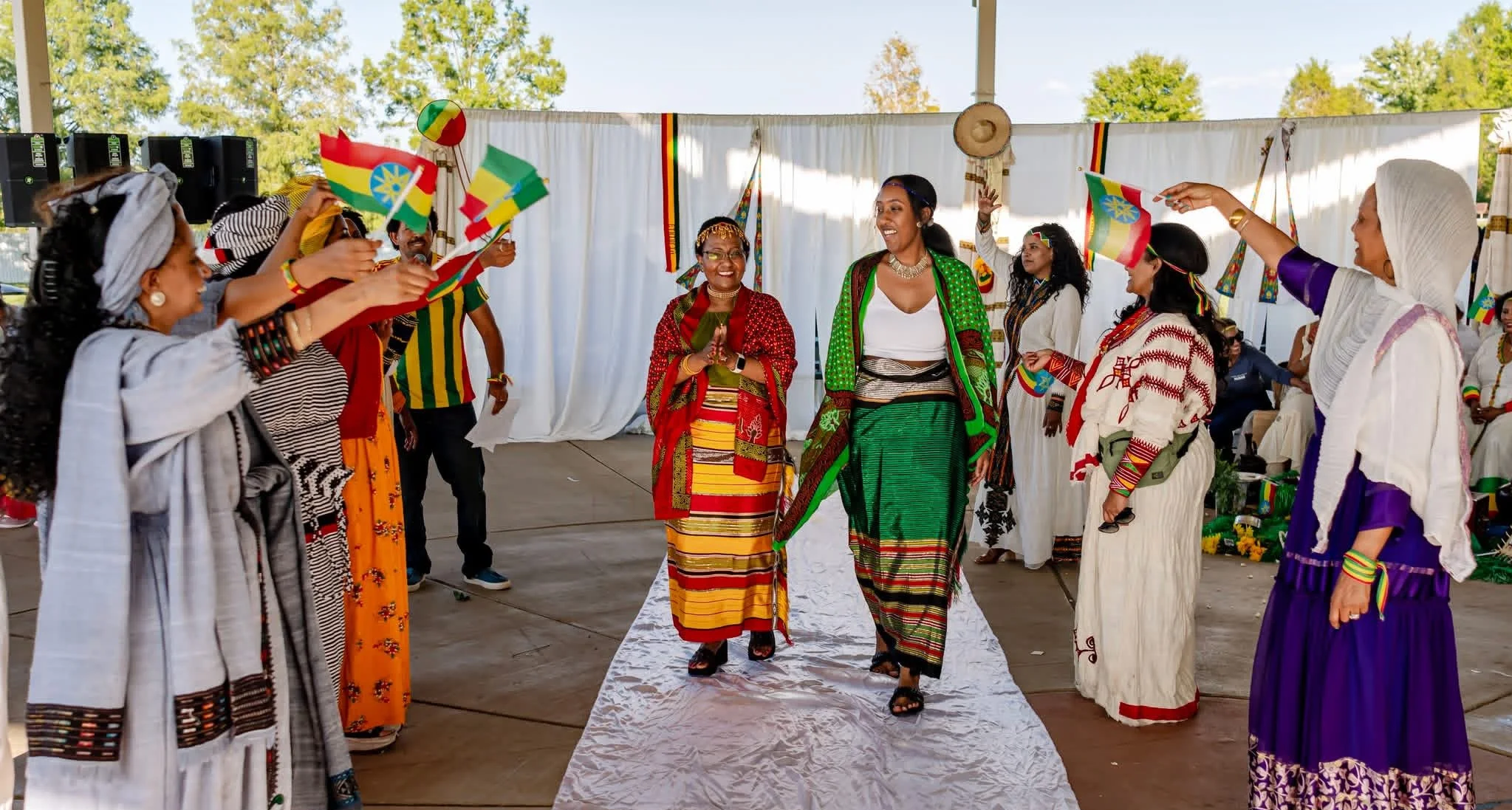
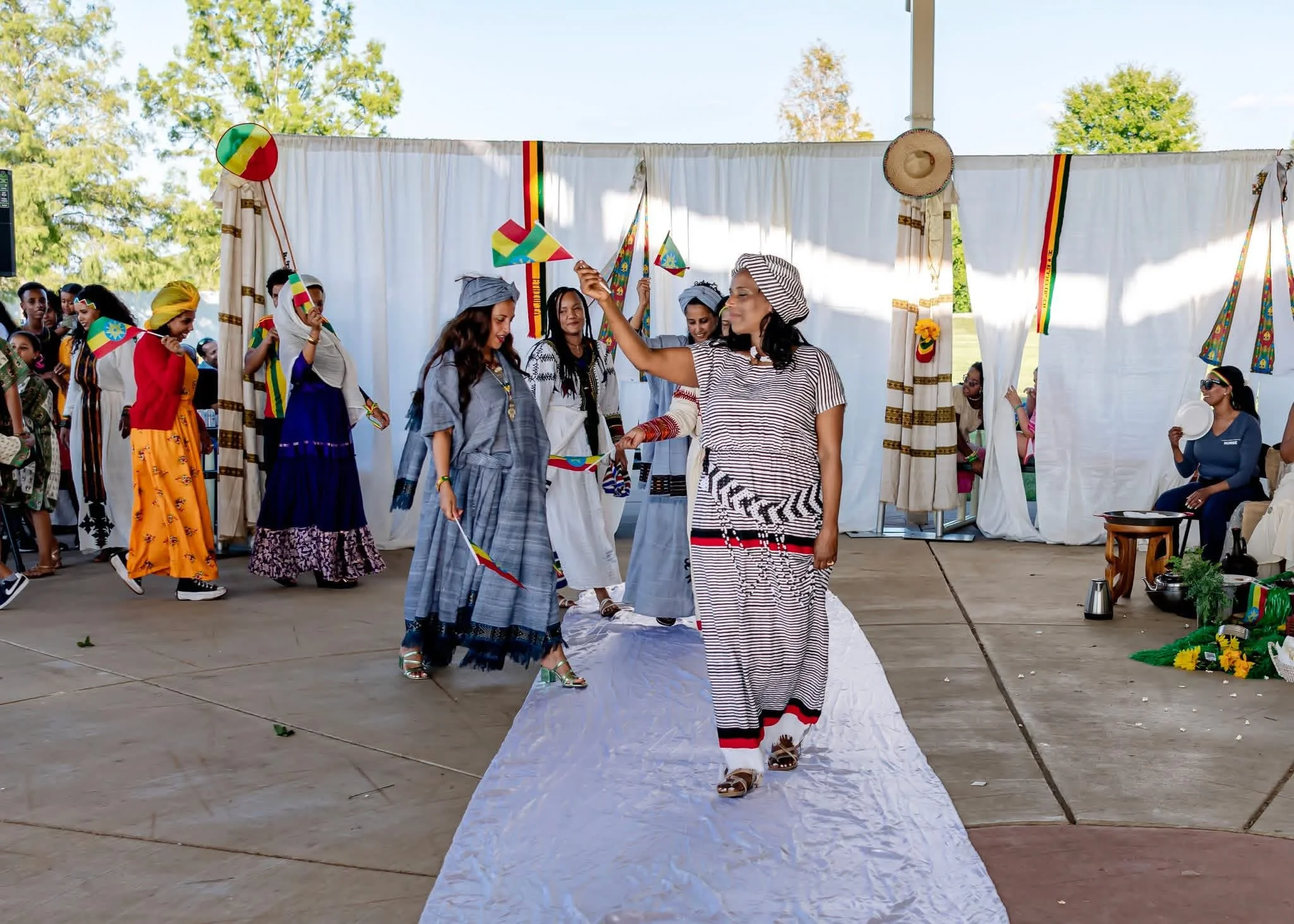
Our purpose is to preserve and uphold Ethiopia’s rich cultural values of love, hospitality, fairness, loyalty, and resilience, as well as its unique history, to pass these on to the next generation, and to integrate these values with American society.
ECASTL aims to strengthen its role in social, economic, and civic activities, foster mutual understanding, build relationships with similar associations to share experiences, and provide any kind of assistance to those in need—free of charge when possible, or with reasonable contributions as required.
OuR Vision
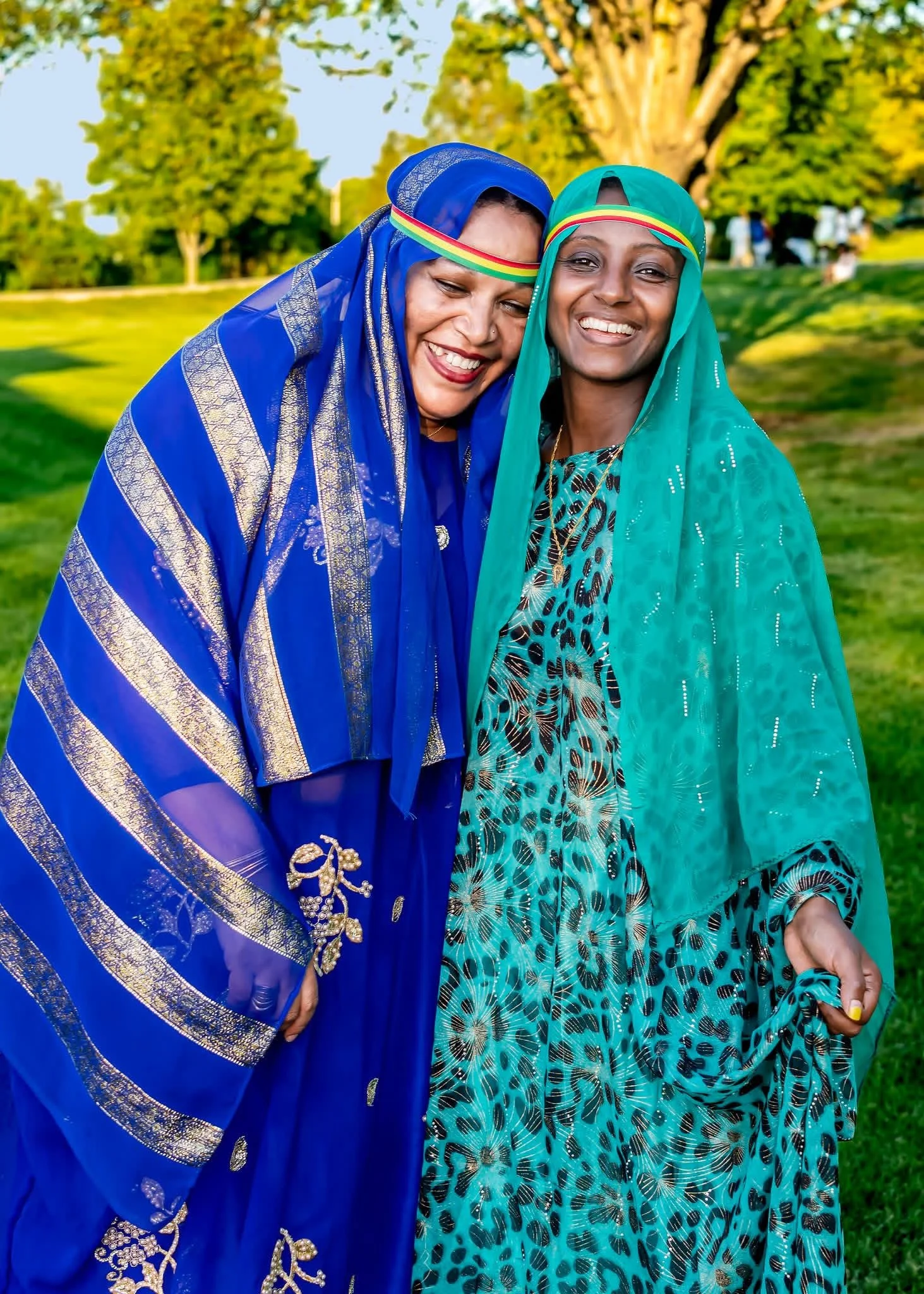
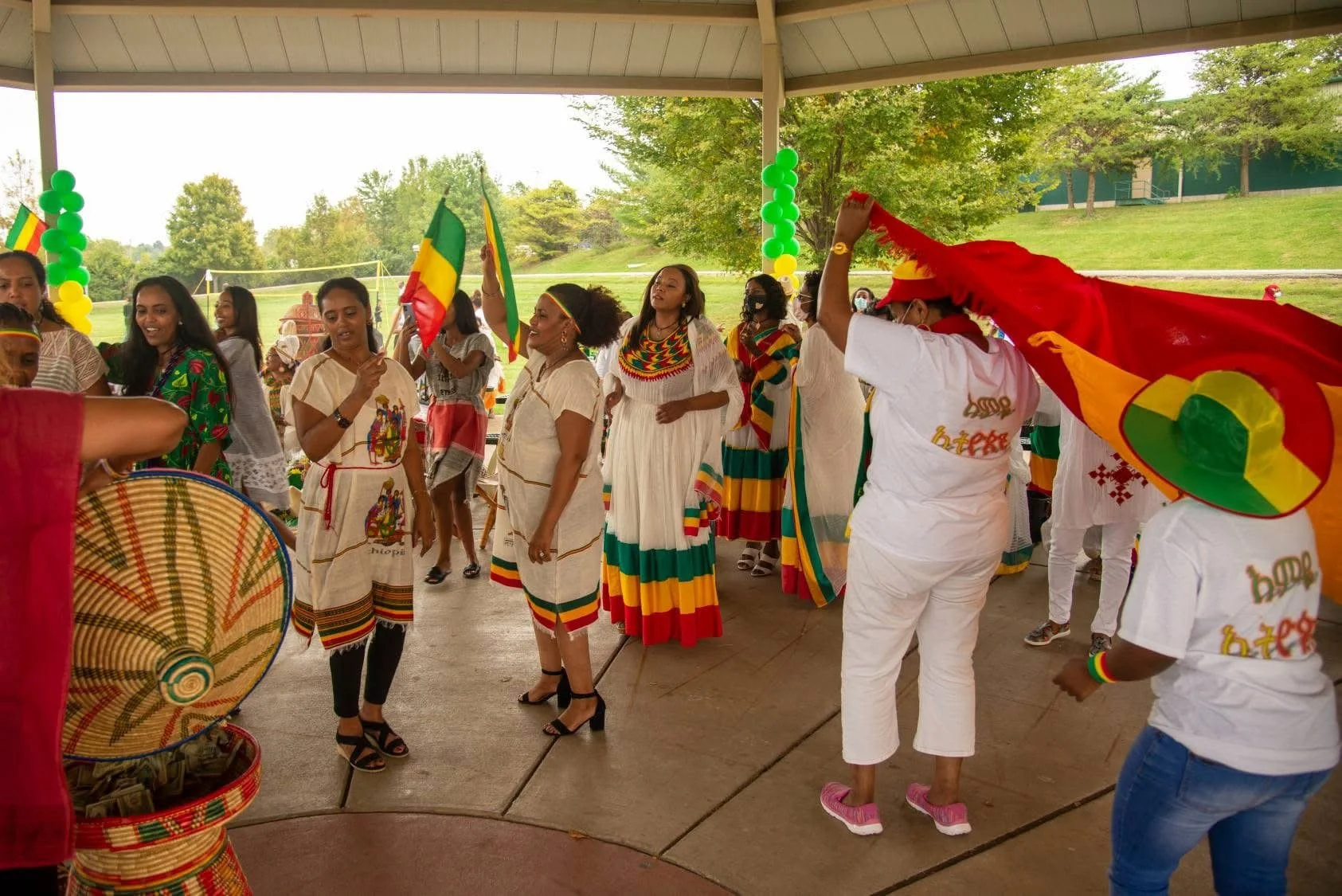
To build a strong, inclusive, and self-sustaining Ethiopian community in the St. Louis area—one that celebrates its heritage, uplifts every member, and contributes positively to the multicultural life of our city and nation.
Goals
Community Engagement
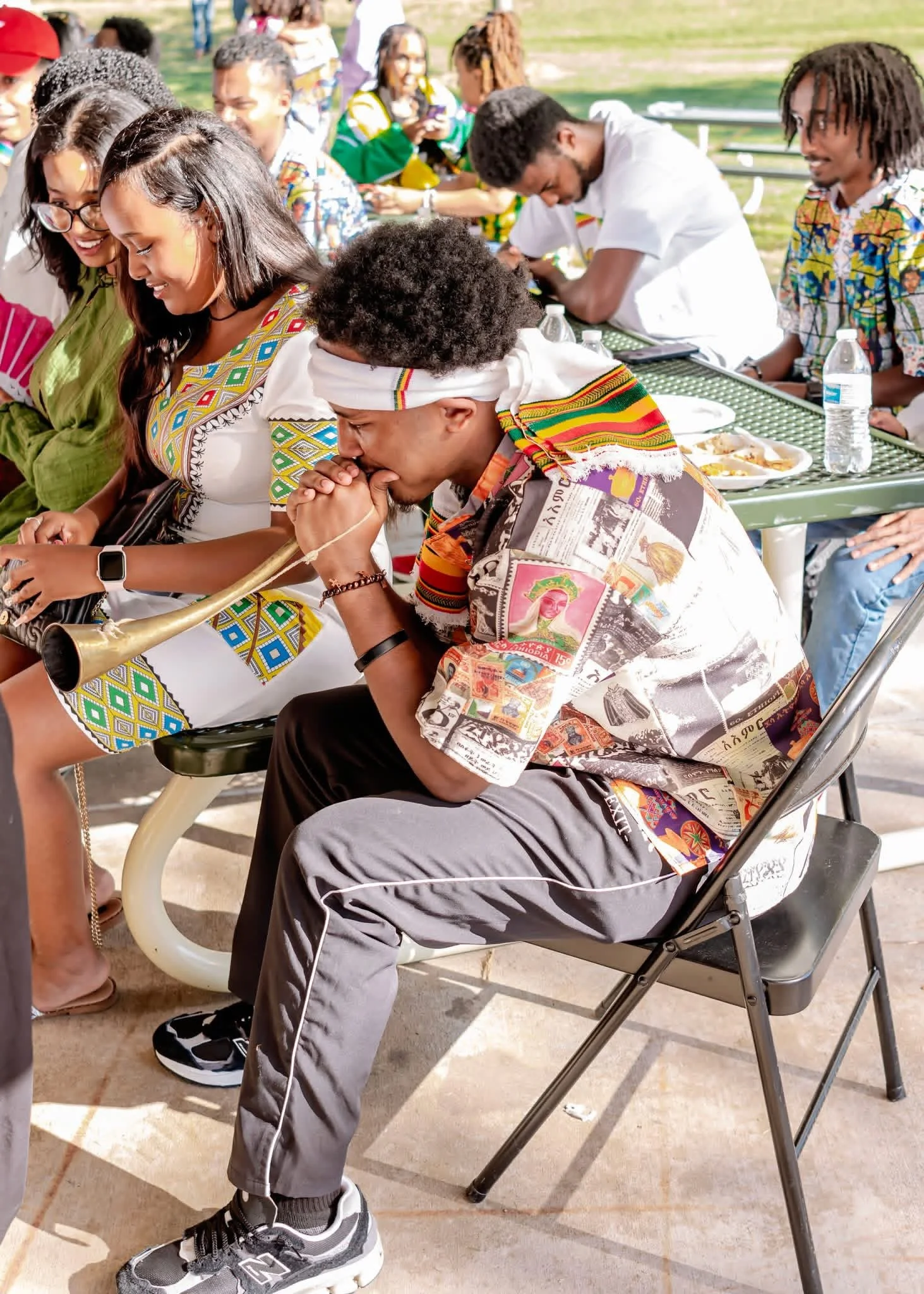
Develop programs that bring the community together for interaction and recreation (picnics, musical events, etc.)
Immigrant Support
Provide assistance to new immigrants to help them settle into stable living conditions (translation services, transportation support, connecting them with service institutions, linking new arrivals with community members who can help, etc.)
Youth Education
Organize educational programs that help youth learn about Ethiopian history and culture (hosting gatherings, inviting professionals to speak, lessons in traditional music and dance).
Cultural Promotion
Promote Ethiopian culture by organizing cultural events (traditional foods, music, etc.) and participating in community events (African Cultural Week, African-American events, International Festivals, etc.)
Community Center Development
Work toward establishing a community center owned by the ECASTL
Emergency Assistance
Provide support to those facing emergencies or hardships
Our History
The Ethiopian Community Association of Greater Saint Louis (ECASTL), originally founded as the Ethiopian Refugee Mutual Assistance Association of Missouri (ERMAAM), has a long and proud history of service, resilience, and community building. Established on April 10, 1983 by visionary Ethiopian refugees, the organization emerged to address the profound challenges of adjustment and cultural absorption faced by new arrivals in St. Louis. Many early community members were highly educated professionals with great expectations for rebuilding their lives—needs that, at the time, placed immense pressure on local resettlement agencies, particularly the International Institute.
Through steady guidance from the International Institute and the State of Missouri’s refugee program, the organization gradually strengthened, expanded its capacity, and grew into a trusted anchor for African newcomers. Over the years, its services extended far beyond the Ethiopian community, welcoming and supporting refugees from across the continent, including Angolans, South Africans, Congolese, Eritreans, Somalis, Sierra Leoneans, and Liberians. This evolution brought both opportunity and challenge. As one of the first multi-ethnic African mutual assistance associations in the region, AMAAM faced the complexities that come with diversity—but strong leadership, dedication, and the personal sacrifices of many helped the organization endure and flourish.
Reflecting its growing reach, the organization’s name also evolved. ERMAAM became ECAM (Ethiopian Community Association of Missouri), and later, in September 2002, the leadership made a thoughtful and pragmatic decision to adopt the name African Mutual Assistance Association of Missouri (AMAAM), recognizing the increasingly diverse population it served. This evolution continued, and on July 31, 2013, the organization officially adopted its current name, the Ethiopian Community Association of Greater Saint Louis (ECASTL), reaffirming both its heritage and its commitment to serving the wider community. Today, as ECASTL, the organization continues this legacy of inclusivity and empowerment.
Throughout its history, AMAAM/ECASTL has been deeply engaged in advocacy, cultural preservation, and community education. Since 1987, the organization has participated in numerous cultural festivals, immigrant advocacy forums, and educational seminars, and has organized high-quality workshops and conferences that uplift both newcomers and long-established residents. Its long-running newsletter, Adaptation, first published in 1986, became a vital voice for African immigrants and a resource that grew alongside the organization in both style and content.
The organization has also taken on broader international and humanitarian initiatives, raising funds to combat HIV/AIDS and alleviate famine abroad, while advocating for refugee rights at home by engaging directly with elected officials. Today, ECASTL has six full-time employees supported by dedicated volunteers and serves approximately 1,200 legal immigrants and refugees each year. Since its founding in 1983, it has assisted roughly 15,000 African refugees and legal immigrants in building stable, successful lives in Missouri.
In the aftermath of the tragedy of September 11, the organization played an especially important role in fostering dialogue and understanding. Recognizing the gravity of the moment, AMAAM helped bring together public and private agencies, interfaith groups, community leaders, law enforcement, and immigrant communities to discuss national security, community relations, and shared responsibility. These efforts were documented in a special conference held on February 14, 2002, an accompanying issue of Adaptation, and a press release from the U.S. Department of Justice—marking a significant contribution to unity and trust during a challenging time in American history.
Across four decades, ECASTL has remained committed to supporting refugees and immigrants with dignity, compassion, and cultural pride. Its legacy is built on perseverance, community strength, and a vision of a more welcoming future for all who call St. Louis home.